Family across India and abroad.
One place for the remembrance.
You are the son or daughter arranging the rites: the pandit, the offerings, the shared meal for relatives and the community, and the calls to family in three time zones. Many North Indian families mark the terahvin on the thirteenth day; others follow their own regional customs, and the annual shraddha and barsi bring everyone together again. Some of the family will be in Delhi, some in New Jersey, some in Nairobi, and each has photos and memories the others do not. One private code gathers the photos of the gathering, the messages of remembrance, and, where the family permits, the rites themselves.
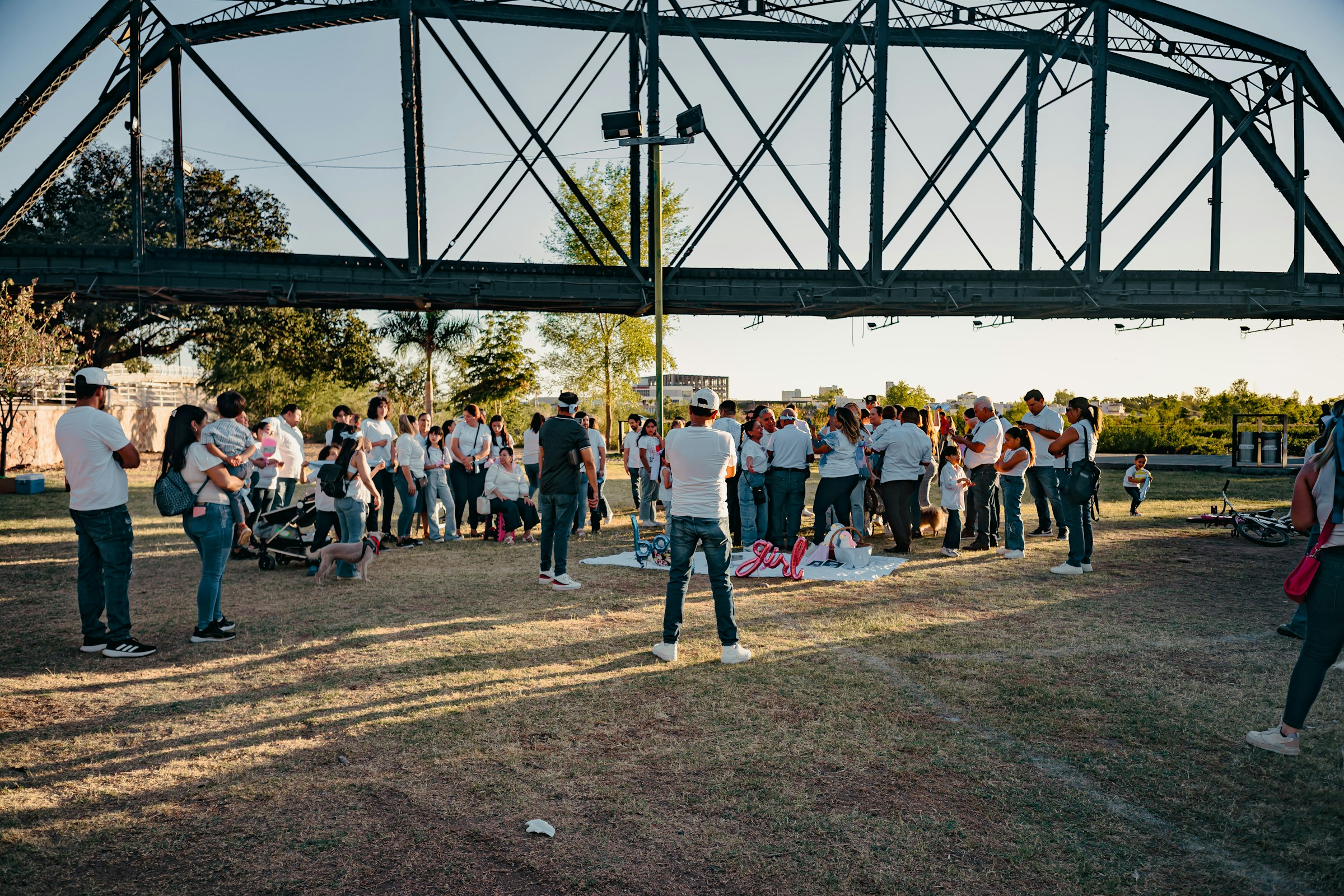
The moments guests actually photograph at shraddha ceremonies
Why shraddha ceremonies work better on Picsui
Written for the person hosting this one, and checked against what the product actually does.
Shraddhanjali in the person's own voice
Relatives who cannot travel, or who would not speak in front of the gathering, record up to 60 seconds of remembrance from the upload page, in Hindi, Gujarati, Tamil, English, whichever language they think in. The recordings are kept with the photos, and the family can listen to them together at the barsi a year later.
Photographed only where the family permits
Many families do not photograph the rites, and some photograph only the garlanded photograph, the diya, and the gathering afterward. With host review on, nothing is visible until a family member approves it, so a relative who photographed something the elders would rather keep private is not on display, and the family's own line is the one that holds.
So the family in India can be present
When the pandit and the elders agree, Live Pass streams the puja or the gathering on a private link to as many as 100 viewers, with audio, for up to 90 minutes. A sister in Bangalore attends from a phone at midnight, and the link is never listed anywhere.
No app. No account. One scan.
Guests point their camera at a QR code and are uploading in seconds. Nobody installs anything, nobody creates a login, and the grandparents can do it as easily as the teenagers.
Voice messages
Guests record up to 60 seconds of audio right from the upload page — a blessing, a toast, a story — saved next to the photos in the same gallery.
A guestbook with your own question
Replace the generic prompt with one that fits the day. Written messages are collected alongside the photos and kept with the gallery.
Broadcast it to the people who couldn't come
Live Pass is a standalone $39 one-time add-on: stream up to 90 minutes to 100 viewers on a private link, with audio. Family abroad watch on any phone, no app required.
You approve before anyone sees
Turn on host review and every upload waits in your queue until you approve it. AI screening flags anything questionable so you are not scrolling through hundreds of photos at midnight.
Private by default, never indexed
The gallery is only reachable by the link or code you share. Guest pages are blocked from search engines and named AI crawlers, and you can close the gallery whenever you choose.
How it works
Set up in a minute. Collect for the whole event.
Create the event as soon as the date is fixed, turn on host review, and share the code in the family group so relatives abroad can add photos and messages before the day.
Print a small card with the code for the table where the garlanded photograph and the diya sit, and for the dining area at the shared meal.
Guests upload photos of the gathering and the meal, and record or write their shraddhanjali. Rituals are photographed only where the family has said yes.
Approve what should be seen, download the archive afterward, and reopen the same gallery for the annual shraddha.
Try uploading as a guest.
Scan this with your phone the way a guest at your event would. Choose a sample photo and upload it from your browser, then open the demo gallery to see it land.
- Scan the code with your phone camera — it opens straight in the browser.
- Upload a sample photo. Look for the upload confirmation so you know it reached the host.
Use a sample you are comfortable sharing with Picsui. Please keep personal or sensitive photos out of the demo.
M2FDV8LW
This is the same kind of code your guests scan at your event.
Getting the most from shraddha ceremonies
Decide with the elders and the pandit, before the day, what may be photographed. Customs vary between regions and between families, and there is no single right answer: some families photograph nothing during the puja, some photograph the offerings and the pandit at work, most are comfortable with the garlanded photograph, the diya, the relatives arriving and the meal. Once the line is agreed, say it plainly on the card with the code, in one sentence. Turn on host review so that anything a well-meaning relative photographs beyond that line is held rather than shown. The point of the gallery is the family's remembrance, not a record of everything, and it works best when the family sets the terms.
Ask for shraddhanjali as voice messages from the relatives who cannot come. Family in India and elsewhere in the diaspora often cannot travel on thirteen days' notice, and a written condolence in a group chat is quickly buried. From the upload page they can record up to 60 seconds in whichever language they speak, and the recordings sit next to the photos in the same gallery. Set the written guestbook question to something specific: a memory of the person, or what they taught you. Share the code in the family group two or three days before the terahvin, so the messages are already there when the family gathers, and play a few at the meal if it feels right.
The shared meal is where most photos are taken naturally, and it is where the code should be, on the table rather than near the puja. Ask one younger relative to photograph the elders together, since these are the photos that get requested for years afterward and are rarely taken on purpose. Afterward, download the entire gallery as one archive and keep it with the family's records. The gallery is hosted for 365 days on an Event Pass, which reaches the barsi; an ended event can be reopened within that period with the same code, so the annual shraddha adds to the same place rather than starting again. If the family observes Pitru Paksha together, the same gallery serves that too.
Common questions about shraddha ceremonies
Is it appropriate to photograph a shraddha or terahvin?
That is for your family, your community and your pandit to decide, and practice varies widely. Many families do not photograph the rites themselves and are comfortable with photographs of the garlanded photograph, the diya, the relatives and the meal. Some are comfortable with more. The gallery does not change the answer; it only gives the family a private place for whatever it does decide to keep. Turn on host review so that every upload waits for a family member's approval, and state the family's wishes on the card with the code so guests know before they raise a phone.
Can relatives in India take part without being there?
In two ways. They can add to the gallery from anywhere: old photographs they hold, and voice or written messages of remembrance, from a plain browser page with no app and no account. And if the family agrees, Live Pass streams the puja or the gathering on a private link, with audio, to as many as 100 viewers for up to 90 minutes, so a brother in Pune or an aunt in Leicester attends from a phone. Fix the time with the time difference in mind and send the link an hour beforehand. Ask the pandit before streaming any part of the rites.
Can messages be recorded in Hindi or another Indian language?
Yes. A voice message is simply a recording, so relatives speak in Hindi, Punjabi, Gujarati, Tamil, Bengali or any other language, up to 60 seconds each, and written messages can be typed in any script the phone supports. The upload page itself is available in English, Español, Français, so a relative who reads only an Indian language will need a family member to show them the two or three buttons once; after that it is a camera, a microphone and a text box. Most families find a grandchild handles it for the elders.
Who can see the photos and the messages?
Only the people the family shares the link or code with. The gallery is private by default, never listed publicly, and guest pages are blocked from search engines and AI crawlers. With host review on, nothing appears until a family member approves it, and that task can be given to a cousin so the immediate family is not screening photos during the mourning period. Anything can be removed. The gallery can be closed to new uploads at any time and downloaded as one archive at full resolution whenever the family wishes.
What does it cost?
An Event Pass is $29, paid once for one event. It includes unlimited uploads from any number of relatives within a 25 GB fair-use bound, voice and written messages, host review with AI screening, full-resolution downloads and 365 days of hosting, which reaches the first annual shraddha. There is no subscription and no charge per guest. Live Pass is a $39 one-time add-on, or included in the Picsui Complete at $49 for families with many relatives abroad.
Every photo from shraddha ceremonies, in one place
One-time Event Pass, $29. No subscription, no per-guest fee.
Get startedWant to see it first? Compare the passes
Also planning one of these?
Explore other use cases
One QR code, every kind of event. See how Picsui fits yours.