One code on the table,
both families in the gallery.
For the couple flying in with sixty guests for a week in Tamarindo, for the family hosting a bautizo in Heredia or a quince in Alajuela, and for the school lining up the banda on the 15th. In Costa Rica the photos are already being taken by everyone at the table; they just end up in three WhatsApp groups, in two languages, and never reach the abuela. This page is in English because the site is. Spanish marketing pages live at /es, and the pages your guests actually use are in English, Español, Français, chosen from each guest's own phone. Nobody installs anything.
One-time. No account needed to buy — about a minute.
$29 once, about ₡14 600 in CRC. Checkout shows the exact total in your currency where Stripe offers it.
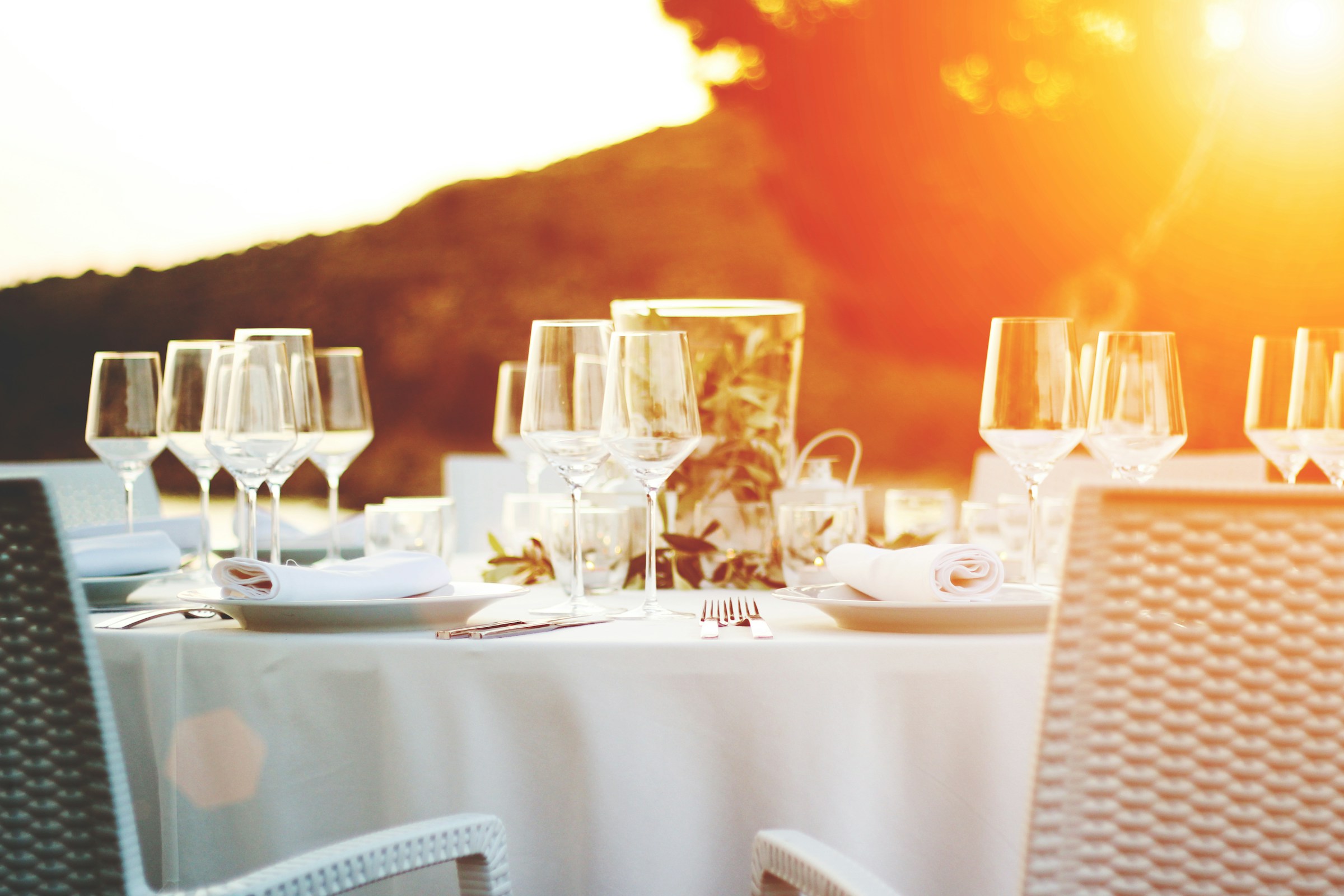
How Costa Rica celebrates
Each of these has its own page, written for the person hosting it, and checked against what the product actually does.
- Destination weddingA week in Guanacaste or Manuel Antonio, two languages at the tables, family watching from home.Costa Rica Destination Wedding
- Fiestas PatriasFaroles on the evening of the 14th, the banda and abanderados on the 15th.Fiestas Patrias (15 de Septiembre)
- Quince añosThe vals, the fifteen candles, and the tías who photograph every one of them.Quinceañeras
- BautizoThe church at ten, the padrinos, and a long lunch at the grandparents' house after.Baptisms & Christenings
- Primera comuniónWhite dress or suit, the whole family in the pews, and the cake on the patio.First Communion
- Piñata birthdayThe queque, the piñata swinging, and the cousins scrambling for the confites.Kids' Birthday Party
Something else? Every occasion Picsui is written for
Spanish for the abuela, English for the cousin from Toronto
The guest page follows the language set on the phone that scans the code, so a grandmother from Cartago and a cousin from Toronto tap the same card and each sees the buttons in their own language. Guest pages are in English, Español, Français. Marketing pages in Spanish are at /es, for the side of the family who wants to read about it first.
The ceremony, live in New Jersey and Los Angeles
Every Event Pass includes a private live broadcast, up to 90 minutes and 100 viewers on one link, with sound. The family who could not get a visa or a week off watches the vows from their own sofa, and the recording waits for whoever was at work. It runs the other way too: a Tico wedding in Jersey, watched from Pérez Zeledón.
Rain at three. The code does not care.
Green-season weddings move under the rancho at three in the afternoon and the tables move with them, code and all. Photos that will not send from the beach club go up from the hotel Wi-Fi that night through the same page, and the gallery is sorted by day, so the ceremony, the fiesta and the recovery morning stay apart.
The year in Costa Rica
- March or April
Semana Santa at the beach
The whole family drives to Jacó or Sámara for the week; one code for the house, and the photos from every car end up together.
- 15 August
Día de la Madre
A very Costa Rican day: a big lunch, every generation at one table, and the grandchildren's photos of mamá kept in one place.
- 15 September
Fiestas Patrias
Faroles on the 14th, the parade on the 15th. The school hosts, the parents upload from the kerb, the abuela watches live.
- December
Tamales and the Festival de la Luz
The tamaleada in the kitchen, the floats on Paseo Colón, and the family in New Jersey seeing both the same night.
- December to April
Dry-season weddings
The months couples fly in for: sunsets on schedule, tables outdoors, and one code for the week of events.
For the family in New Jersey, Los Angeles and Miami
Ticos abroad cluster in a few places, and the Event Pass broadcast was built for the distance between them and home: up to 90 minutes and 100 viewers on one private link, with sound, no account on their side. The tía in Elizabeth watches the bautizo in Heredia, and the reverse case works just as well, with the couple's parents in New Jersey and Toronto watching the Guanacaste ceremony at sunset while the guests on the sand hold up their phones. Costa Rica keeps one clock all year, so send the link with the hour in each city.
How the broadcast worksWhat it costs in Costa Rica
One-time Event Pass, $29, about ₡14 600. No subscription, no per-guest fee. Prices are in USD; where Stripe offers it, checkout lets you pay in CRC and shows the exact total, including its conversion fee, before you confirm.
Your guests' data, Ley 8968 and PRODHAB
Picsui is operated from the United States, and photos and guest details are stored there, so your guests' personal data leaves Costa Rica. Under Ley 8968, the Ley de Protección de la Persona frente al Tratamiento de sus Datos Personales, and PRODHAB's rules, that transfer is the host's to account for, and our Data Processing Agreement sets out the safeguards for it. Galleries are private by default, guests upload without an account, and the host can delete any photo or the whole event at any time. If your school, venue or company needs the DPA signed, ask.
Questions hosts in Costa Rica ask
Is the site in Spanish?
Partly. The marketing pages, including this one, are written in English, and Spanish versions of the main pages live at /es. The pages your guests actually touch, the upload page, the gallery and the guestbook, are in English, Español, Français, and each guest gets the language their phone is set to, so a Tico grandmother and a visiting cousin never see the same screen in the wrong language. Share the /es link with the side of the family that reads Spanish and the English one with the rest.
What does it cost in colones?
The Event Pass is $29, paid once for the event, with no subscription and nothing per guest. Prices are set in US dollars, which many Costa Ricans already pay in for anything to do with a wedding; where Stripe offers it, checkout can present the total in colones and shows the exact amount, including its conversion, before you confirm. Any colón figure shown on this page is a rough guide only. Free Preview lets you test the code, the gallery and a short broadcast before paying.
It rains every afternoon in green season. What happens to the photos?
Nothing bad. The ceremony moves under the rancho at three and the QR code on the tables moves with it; the code is the same wherever the table stands. Uploads go from the phone straight to storage, so what the mobile network cannot carry from the beach club goes up from the hotel Wi-Fi that night, through the same page, and the gallery stays sorted by day. Only the live broadcast needs a proper connection at the venue itself, so test it from the covered spot, not the beach.
Our families in the United States and Canada cannot come to Guanacaste. Can they watch?
Yes. A private live broadcast is included with every Event Pass: up to 90 minutes and 100 viewers on one link, with sound, and no account needed on their side. They open it on a phone or a TV browser in New Jersey or Toronto and watch the ceremony at sunset as it happens, then find the finished gallery at the same link. Costa Rica does not change its clocks, so write the ceremony time in their own hour when you send the link, and they will not miss the vows by sixty minutes.
Do our guests need to install anything or make an account?
No. A guest points the phone camera at the QR code on the table or the circular and the upload page opens in the browser, in the language of that phone. There is nothing to install and no account to make; a name is optional. That is what makes it work for a bautizo where the youngest photographer is nine and the oldest is the abuela, and for a wedding where half the guests have a Costa Rican SIM and half are roaming. The code keeps working after the event for anyone who uploads late.
Celebrating somewhere else?